Remote ID Use Cases
Airspace Violations
Remote ID has been used to help identify UAS pilots who habitually violate airspace restrictions and regulations - posing a significant risk to crewed operators and those on the ground.
DFR COordination
Drone as a First Responder (DFR) missions are scaling to support public safety. These missions bring untold potential to that enhances the safety of communities across the country. These DFR programs also need to coordinate with other public safety UAS and the growing number of commercial, hobby, and BVLOS delivery UAS. Remote ID is here to help.
Tactical Remote ID Sensors
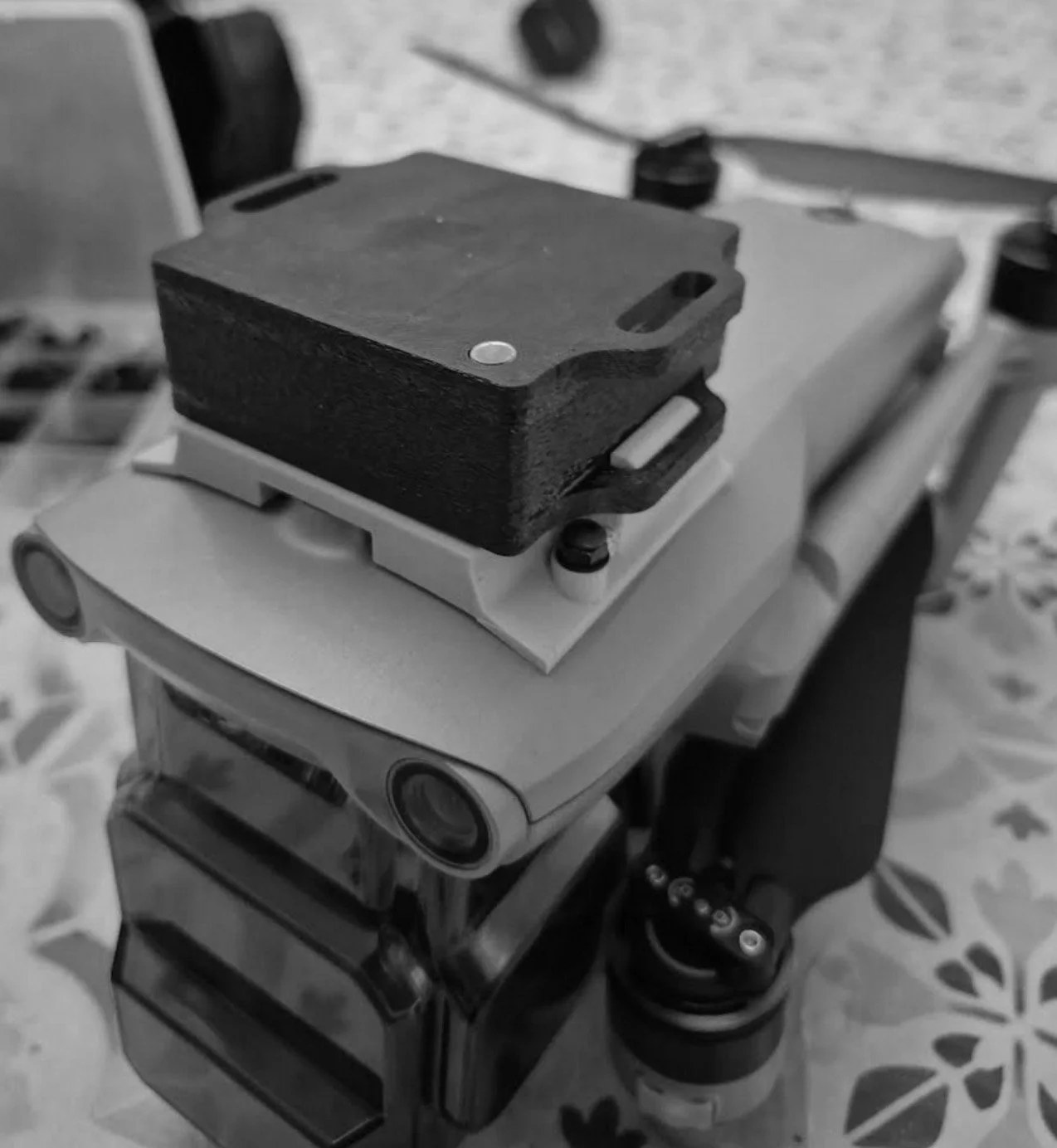
Remote ID sensors are now being miniaturized to tactically enhance safety and security. RID sensors can now be mounted inside the windshield of a car or event atop a UAS - turning existing UAS platforms into small Airborne Warning and Control (AWACS) systems.
C-UAS Integration
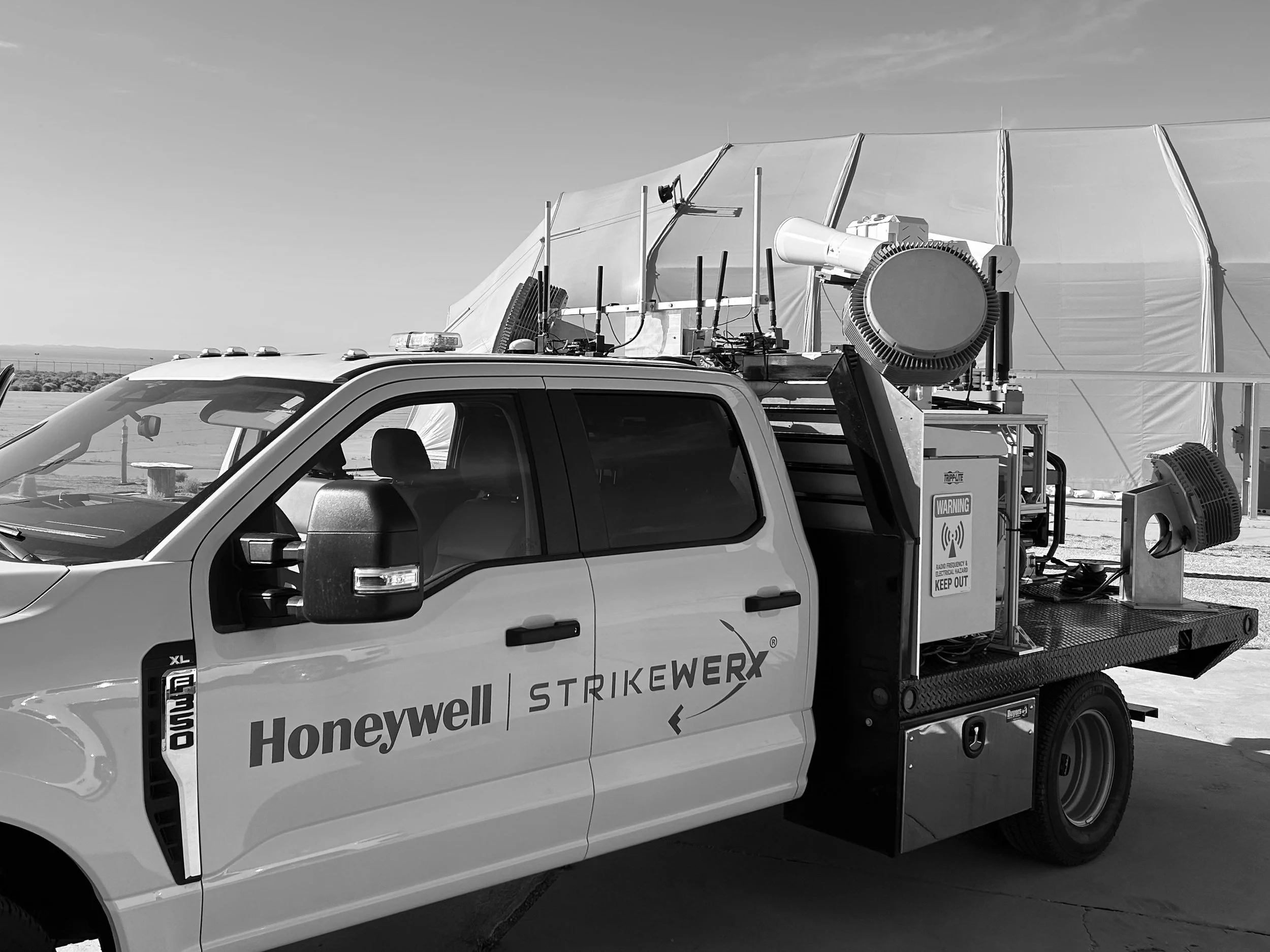
Remote ID is inherently not a C-UAS system, but on it’s own RID can give law enforcement an affordable tool to interdict the vast majority of problematic drones they’ll run into on a day to day basis. C-UAS is a game of cat and mouse, but Pierce Aerospace’s RID sensors are a proven baseline and foundational system for a layered C-UAS system of systems. In this role, RID performs target discrimination and aids end users in decision making.